



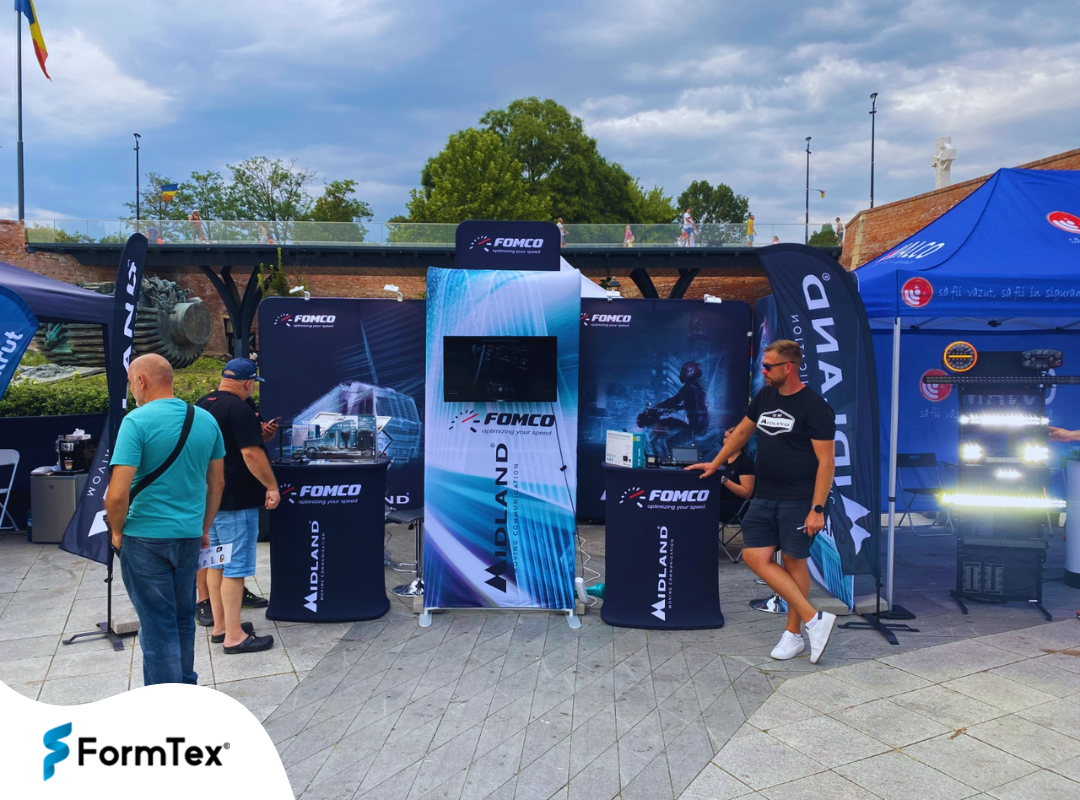
Generating traffic at a trade show booth is not the ultimate goal. Traffic alone does not generate revenue. What truly matters is how effectively you convert booth visitors into qualified sales opportunities - and eventually into signed contracts.
Many companies invest heavily in exhibition design and logistics but fail to implement a structured conversion strategy. The result? A stack of business cards and very few measurable results.
Here is a practical, data-driven framework to help you transform booth traffic into real revenue.
1. Attract the Right Visitors, Not Just More Visitors
High traffic means nothing if the visitors are not relevant.
Before the event, clearly define:
-
Your ideal customer profile
-
Industry focus
-
Company size
-
Decision-making role
-
Budget potential
Your exhibition stand messaging should speak directly to this audience.
Instead of a generic product description, use benefit-driven messaging such as:
-
“Reduce production costs by 20%”
-
“Increase operational efficiency in 90 days”
-
“Shorten your delivery cycle”
Clear, outcome-focused communication increases the quality of visitors entering your booth - not just the quantity.
2. Capture Attention Within the First 3 Seconds
Visitors decide whether to stop in less than three seconds.
To increase booth stop rate:
-
Use large, clear headlines visible from a distance
-
Highlight one core benefit, not ten features
-
Keep design clean and structured
-
Create open entry points
Cluttered booths overwhelm visitors. Clear messaging and strong visual hierarchy increase engagement and dwell time.
The longer someone stays in your booth, the higher the probability of conversion.
3. Implement a Structured Lead Qualification Process
Not every visitor is a potential client. A structured qualification process ensures your sales team focuses on high-value opportunities.
Train your team to ask short, strategic questions:
-
What challenges are you currently facing?
-
Are you actively looking for a solution?
-
What timeline are you considering?
-
Who is involved in the decision-making process?
These questions quickly determine whether the lead is:
-
Hot (ready to buy)
-
Warm (interested, needs nurturing)
-
Cold (low priority)
Without qualification, your follow-up efforts become inefficient and time-consuming.
4. Assign Clear Roles Within the Sales Team
Many booths fail because everyone tries to do everything.
For better conversion performance, assign specific roles:
-
Attractor: Engages passersby and starts conversations
-
Qualifier: Identifies potential and gathers key information
-
Closer: Handles detailed discussions and next steps
This structured approach increases efficiency, especially during peak hours.
When responsibilities are clear, the booth operates like a sales funnel - not a casual networking space.
5. Create Micro-Commitments at the Booth
A contract rarely happens immediately. However, you can secure small commitments that increase the likelihood of closing later.
Examples of micro-commitments:
-
Scheduling a follow-up meeting
-
Booking a product demo
-
Agreeing to receive a customized proposal
-
Signing up for a consultation
The goal is to move from “Nice to meet you” to “Let’s continue this conversation.”
Each micro-commitment increases psychological investment and future response rates.
6. Use Technology to Prevent Lead Loss
Manual data collection often leads to lost opportunities.
To improve conversion rates:
-
Use digital lead capture forms
-
Scan badges directly into your CRM
-
Categorize leads in real time (hot/warm/cold)
-
Add notes immediately after conversations
Speed matters.
Leads contacted within 24-48 hours are significantly more likely to convert than those contacted a week later.
7. Execute a Structured Post-Event Follow-Up Strategy
The real sales process begins after the trade show.
Within 24 hours:
-
Send a personalized email referencing your discussion
-
Include relevant materials (case studies, pricing, product sheets)
-
Propose a clear next step
Within one week:
-
Schedule follow-up calls
-
Send customized proposals for qualified leads
Segment your leads:
-
Hot leads → Immediate call and tailored offer
-
Warm leads → Nurturing sequence
-
Cold leads → Long-term marketing automation
Consistent follow-up transforms conversations into contracts.
8. Measure What Truly Matters
To evaluate performance, track these key metrics:
-
Total booth visitors
-
Qualified leads generated
-
Cost per qualified lead
-
Number of meetings booked
-
Proposal-to-contract conversion rate
-
Revenue generated within 3–6 months
Without measurement, improvement is impossible.
Data allows you to refine messaging, optimize team structure, and improve future event ROI.
Turning booth traffic into signed contracts requires more than an attractive stand.
It demands:
-
Clear targeting
-
Structured qualification
-
Defined team roles
-
Strategic follow-up
-
Measurable KPIs
An exhibition booth should function as a sales funnel - attracting, qualifying, nurturing, and converting.
When design, sales strategy, and follow-up processes are aligned, trade shows become predictable revenue-generating systems rather than expensive marketing experiments.
Traffic creates opportunity. Structure creates contracts.
Reviews