



For many companies, trade shows are still treated as isolated marketing moments, where the primary goal is visibility, networking, or simply “being present,” but this approach often leads to inconsistent results, unclear return on investment, and a cycle in which each new event starts from zero, without building on previous efforts or creating long-term value.
In reality, an exhibition stand has the potential to become much more than a temporary setup, because when it is designed and used strategically, it can function as a consistent sales channel that generates leads, supports conversion, and contributes to revenue growth across multiple events and over extended periods of time.
The first shift that needs to happen is in mindset, because instead of seeing the stand as a one-off expense tied to a specific event, it should be viewed as a reusable and scalable asset that integrates into your broader sales and marketing ecosystem, connecting offline interactions with digital processes and ensuring that every conversation has a clear continuation beyond the exhibition floor.
This transformation starts with defining clear sales objectives that go beyond generic goals such as “increasing visibility,” and focus instead on measurable outcomes like the number of qualified leads generated, the number of meetings scheduled, or the value of opportunities created, because without these concrete targets, it becomes impossible to design a stand and a strategy that consistently deliver results.
Once the objectives are clear, the design of the stand must support them directly, which means that every element, from layout and messaging to lighting and flow, should be optimized not just for visual impact but for interaction and conversion, allowing visitors to understand instantly what you offer, why it is relevant to them, and what the next step should be if they are interested.
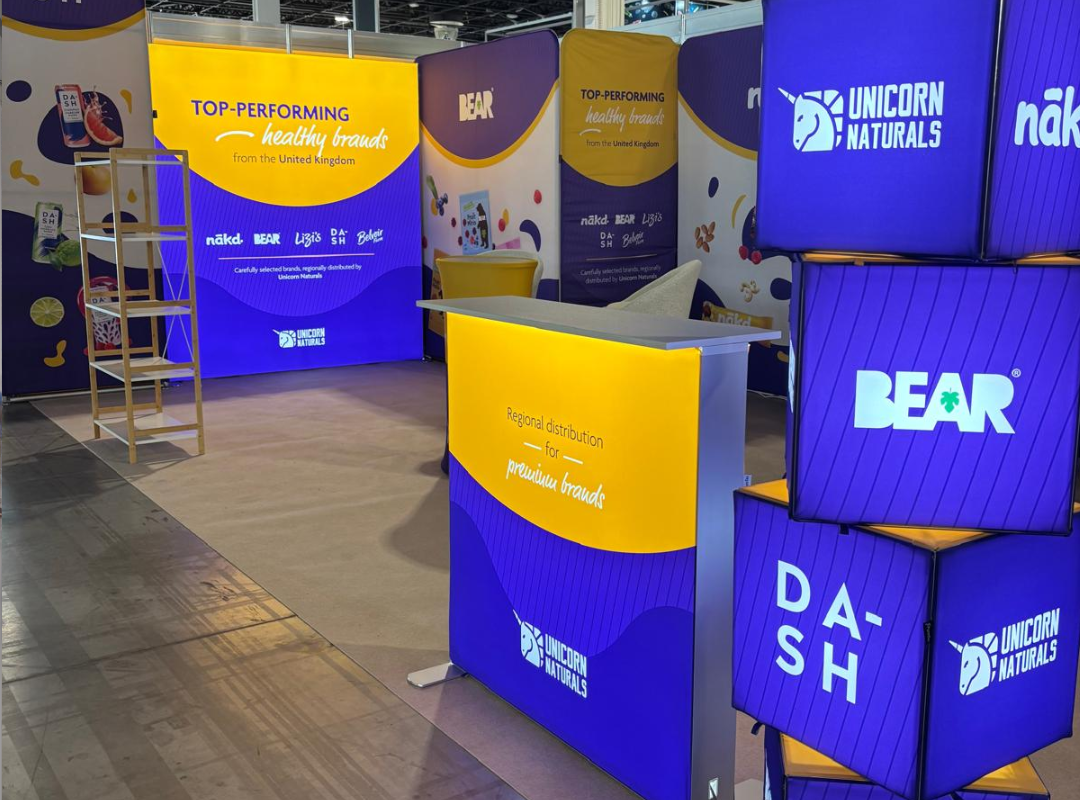
A key aspect of turning your stand into a sales channel is consistency, because using different designs, messages, or structures for each event reduces recognition and weakens brand positioning, while a modular textile stand system allows you to maintain a coherent identity across multiple exhibitions, adapting size and configuration when needed without losing visual impact or rebuilding everything from scratch.
At the same time, the stand must be integrated with digital tools that enable efficient lead capture and follow-up, because collecting business cards or writing notes on paper is no longer sufficient in a fast-paced environment where speed and accuracy are critical, and by using digital forms, QR codes, or CRM integration, you ensure that every interaction is recorded, categorized, and ready for immediate action.
However, capturing leads is only one part of the process, because the real value comes from what happens after the event, and companies that treat follow-up as an afterthought often lose a significant percentage of their potential opportunities, while those that implement structured and timely communication, such as personalized emails, scheduled calls, or tailored proposals, are able to convert a much higher share of their leads into actual clients.
Another important factor is the role of the sales team, because even the best-designed stand will not perform if the people interacting with visitors are not aligned with the overall strategy, and this means that team members need to be trained not only to present products, but to qualify leads, identify real opportunities, and guide conversations toward clear next steps that move prospects further along the sales funnel.
Over time, the data collected from multiple events becomes a valuable asset that allows you to refine your approach, because by analyzing which messages attract the most attention, which types of visitors convert best, and which follow-up actions lead to the highest closing rates, you can continuously optimize both your stand and your strategy, transforming guesswork into informed decision-making.
This cumulative effect is what ultimately turns an exhibition stand into a consistent sales channel, because instead of relying on isolated successes or hoping for better results at the next event, you build a system that improves with each participation, increases efficiency, and generates more predictable outcomes.
It is also important to consider the financial impact of this approach, because while the initial investment in a high-quality, modular stand and supporting systems may be higher than renting basic solutions for individual events, the ability to reuse, adapt, and optimize over time significantly reduces the cost per lead and increases the overall return on investment.
In conclusion, transforming your exhibition stand into a consistent sales channel requires a combination of strategic thinking, intentional design, and disciplined execution, but the benefits are substantial, because instead of treating trade shows as isolated marketing efforts, you create a structured, repeatable process that generates leads, supports conversion, and contributes directly to business growth, turning every event into a step forward rather than a standalone experience.
Reviews