



At an exhibition, not every person who stops at your stand is ready to buy. Some visitors are actively looking for a solution, some are comparing suppliers, and others are simply walking around and collecting ideas. The role of a sales team is not to treat all of them as immediate buyers, but to understand what brought them to the stand, identify their level of interest, and turn the right conversations into genuine sales opportunities.
A visitor who says “I’m just looking” should therefore not be seen as a lost opportunity. In many cases, this person simply needs a reason to continue the conversation.
The first step is to avoid the most common mistake: approaching visitors with a long presentation about your company.
When someone enters your exhibition stand, opening with “Let me tell you about our company” or immediately listing products and services can make the interaction feel like a sales pitch. At a busy exhibition, visitors hear dozens of similar presentations, so a better approach is to start with a simple question.
For example:
“What brings you to the exhibition today?”
or:
“Are you currently looking for a particular solution?”
These questions are simple, but they give the visitor an opportunity to explain why they stopped. More importantly, they allow the sales representative to understand whether there is a real commercial opportunity.
Once the conversation starts, the sales representative should focus on listening rather than speaking. A useful conversation can be built around a few key questions:
- What are you currently using?
- What challenges are you experiencing?
- Are you looking for a new solution or comparing existing options?
- When are you planning to make a decision?
- Who else is involved in the decision?
- Do you already have a budget or project defined?
The goal is not to ask all these questions one after another. That can make the conversation feel like an interrogation. Instead, the questions should follow naturally from what the visitor says.
For example, if someone mentions that they are looking for a new exhibition system for several events, the salesperson can ask how many exhibitions they attend each year, what type of spaces they usually book, and what problems they have experienced with their current solution.
This immediately creates a more relevant conversation.
The next step is identifying purchase intent. Not every interested visitor has the same commercial value.
A visitor who says, “We might need something next year,” has a different level of intent from someone who says, “We have three exhibitions coming up and need a new stand within the next two months.”
Sales teams should learn to recognize these differences.
One useful way to qualify visitors is to consider four factors: need, timing, budget, and decision-making authority.
If the visitor has a clear problem, needs a solution soon, has an available budget, and is involved in the purchasing decision, the lead should receive a high priority.
If the visitor is simply gathering information with no defined project, the conversation can still be valuable, but the next step should be different.
This distinction is particularly important because the objective of an exhibition is not to collect as many contacts as possible. It is to create qualified opportunities.
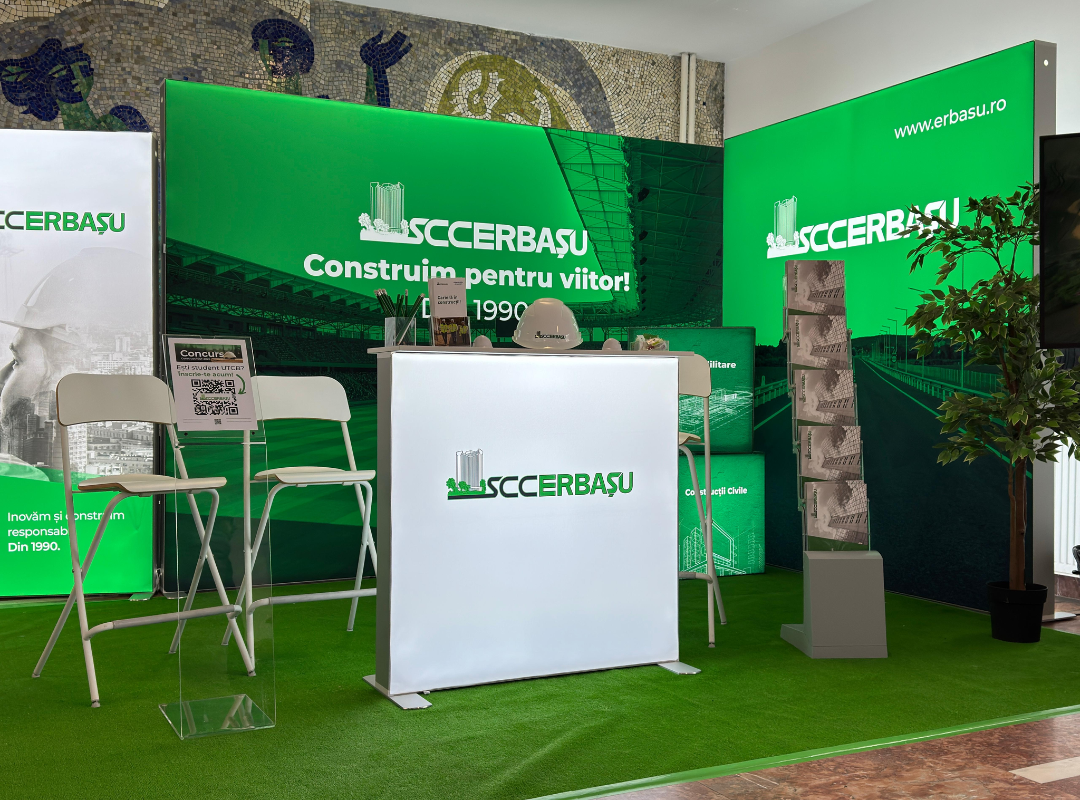
The exhibition stand itself can help the sales team achieve this. A clear visual message, well-positioned products, demonstrations, illuminated displays, and dedicated conversation areas can give visitors a natural reason to stop and start a conversation.
Instead of forcing a sales pitch, the environment creates opportunities for interaction.
For example, a product demonstration can be an excellent conversation starter. A salesperson can invite a visitor to see how a product works, then use the demonstration to ask questions about the visitor's own needs.
The transition from conversation to sales should also feel natural.
One of the biggest mistakes sales representatives make is either making an offer too early or waiting too long. If the visitor has not explained their needs, a quotation is unlikely to be relevant. But if the visitor has clearly described a problem, confirmed their requirements, and shown buying intent, continuing with general conversation can mean missing an opportunity.
A good transition can be as simple as:
“Based on what you've told me, I think we could recommend a solution that fits your requirements. Would you like us to prepare an initial proposal?”
This question does not pressure the visitor. It connects the offer directly to the needs they have already described.
Another important element is lead capture. Once a visitor becomes a genuine sales opportunity, the sales representative should record more than a name and email address.
The team should capture useful information about the conversation: what the visitor needs, their expected timeline, budget range, products discussed, and agreed next step.
This information makes the follow-up much more effective.
For example, an email saying “Thank you for visiting our stand” is easy to ignore. A message saying “As discussed at the exhibition, we have prepared the modular stand configuration suitable for your upcoming three events” continues the conversation and reminds the prospect why they showed interest in the first place.
The follow-up should happen quickly, ideally within the first 24–48 hours after the exhibition, while the conversation is still fresh.
Ultimately, turning a “just looking” visitor into a potential customer is not about pushing harder. It is about asking better questions, listening carefully, recognizing buying signals, and offering the right next step at the right moment.
A strong sales team understands that an exhibition stand is not simply a place where products are displayed. It is a starting point for conversations.
When the stand, sales team, qualification process, and follow-up strategy work together, even a visitor who initially says “I'm just looking” can become a qualified lead, a sales opportunity, and eventually a customer.
Reviews