



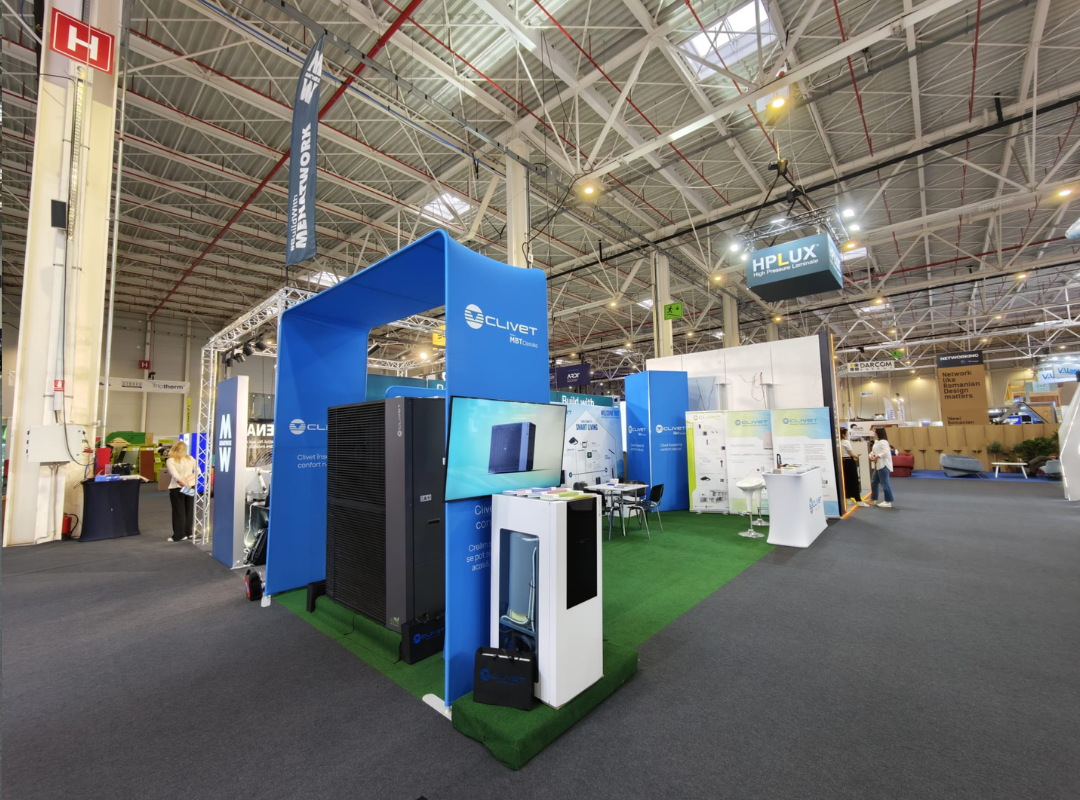
Preparing for a trade show involves much more than designing an attractive exhibition stand. The companies that achieve the best results are usually not the ones with the biggest budgets, but the ones that prepare every detail in advance. Even a small oversight can lead to missed opportunities, unnecessary costs, or valuable leads slipping away.
Whether you are exhibiting for the first time or attending multiple events every year, this checklist will help you avoid the most common mistakes and make sure your team is fully prepared before the exhibition doors open.
1. Define your sales objectives
Don't participate simply to "be present." Decide exactly what success looks like. Is it 50 qualified leads, 20 meetings, or three signed contracts?
2. Identify your target audience
Know exactly who you want to meet. Your messaging, stand design, and sales conversations should all be tailored to that audience.
3. Prepare a clear value proposition
Visitors should understand what your company does and why it matters within a few seconds of approaching your stand.
4. Confirm your exhibition stand design
Double-check that the layout supports conversations, product demonstrations, and visitor flow instead of simply looking attractive.
5. Review all graphics before printing
A typo, outdated logo, or incorrect contact information can damage your professional image. Review every graphic carefully before production begins.
6. Test all lighting elements
If your stand includes textile lightboxes or illuminated displays, test them before shipping to ensure everything works properly.
7. Inspect the complete stand
Whenever possible, assemble the stand before the event. This allows you to identify missing components or installation issues early.
8. Prepare marketing materials
Bring enough brochures, catalogs, business cards, product sheets, and promotional materials for the expected number of visitors.
9. Update digital presentations
Make sure presentations, videos, and product demonstrations include your latest products, pricing, and branding.
10. Verify QR codes
Many companies print QR codes without testing them. Scan every code to ensure it leads to the correct landing page.
11. Prepare lead capture tools
Whether you use a CRM app, badge scanner, tablet, or online form, test the entire process before the event starts.
12. Create a lead qualification system
Not every visitor has the same potential. Decide how your team will classify leads based on interest, budget, authority, and timeline.
13. Schedule meetings in advance
Don't rely only on walk-in traffic. Contact existing clients and prospects before the event and arrange meetings at your stand.
14. Train your sales team
Everyone should know the company's key messages, product benefits, pricing strategy, and how to qualify prospects effectively.
15. Practice elevator pitches
Every team member should be able to explain your company's value in less than 30 seconds.
16. Assign clear responsibilities
Decide who welcomes visitors, who conducts product demonstrations, who manages meetings, and who records lead information.
17. Prepare answers to common questions
Your team should be ready for pricing discussions, technical questions, delivery timelines, and competitor comparisons.
18. Plan product demonstrations
Interactive demonstrations attract attention and keep visitors engaged longer than static displays.
19. Check transportation arrangements
Confirm shipping dates, delivery times, customs requirements for international events, and contact information for logistics partners.
20. Verify installation schedules
Know exactly when your team can access the exhibition hall and how much time is available for setup.
21. Pack backup supplies
Bring extension cords, adapters, chargers, cleaning materials, tape, spare graphics if possible, and basic tools for unexpected situations.
22. Prepare your follow-up strategy
Decide before the event how quickly leads will be contacted and who will be responsible for each follow-up activity.
23. Create email templates
Preparing follow-up emails in advance allows your sales team to contact prospects within 24 hours while the conversation is still fresh.
24. Define performance metrics
Besides counting visitors, measure qualified leads, scheduled meetings, conversion opportunities, and projected sales value.
25. Schedule a post-event review
Plan a meeting with your team shortly after the exhibition to evaluate what worked, what didn't, and what should be improved before the next event.
A trade show should never be viewed as a three-day event. It is a complete sales project that starts weeks before the exhibition opens and continues long after it closes. The preparation phase determines how effectively your team performs, while the follow-up process determines how many conversations eventually become customers.
Many companies invest heavily in exhibition stands but underestimate the importance of planning. In reality, outstanding results usually come from excellent preparation rather than last-minute decisions. A well-designed modular exhibition stand, clear messaging, trained sales representatives, efficient lead capture, and a structured follow-up strategy work together to maximize your return on investment.
The most successful exhibitors don't leave important details to chance. They rely on processes, checklists, and preparation because they understand that consistency creates better business results.
Before your next trade show, take the time to review every point on this checklist. A few extra hours of preparation before the event can save days of problems later and significantly increase the number of qualified leads your exhibition generates.
In the end, success at a trade show is rarely determined by luck. It is built through careful planning, smart execution, and the discipline to prepare every detail before the first visitor walks through your stand.
Reviews