



When brands evaluate their trade show investments, the most common question is no longer “Which stand looks better?” but “Which stand delivers better ROI?” In a competitive exhibition environment, return on investment is driven by visibility, lead quality, operational efficiency, and long-term usability.
This article compares textile exhibition stands with traditional exhibition systems to help brands understand which solution delivers stronger ROI over time—and why more companies are moving toward textile-based systems.
1. Initial cost vs. long-term value
Traditional exhibition systems, often made from rigid panels, wood, or heavy metal structures, can appear cost-effective at first, especially when rented. However, their value typically ends when the event is over.
Textile exhibition stands may have a similar or slightly higher initial investment, but they are designed for reuse. The structure can be used for multiple events, while graphics can be easily replaced. Over time, this dramatically reduces the cost per exhibition.
2. Visual impact and lead generation performance
Visibility is a major ROI driver. Traditional systems often rely on flat panels, spot lighting, and segmented graphics. These elements can struggle to stand out in crowded halls.
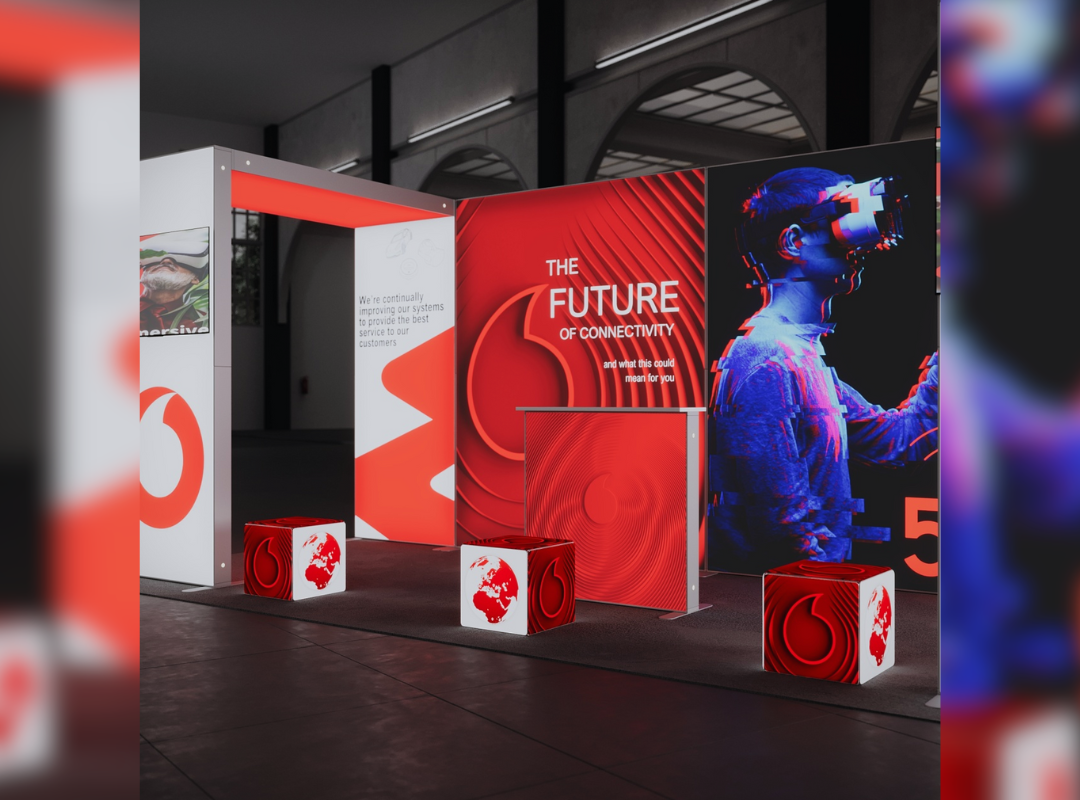
Textile exhibition stands, especially when combined with lightboxes, create large, seamless visual surfaces with uniform illumination. This results in:
-
stronger brand recognition,
-
higher stand visibility from a distance,
-
increased foot traffic from qualified visitors.
Higher visibility leads to more meaningful interactions, and more opportunities to convert visitors into leads.
3. Perceived brand value and sales conversion
ROI is not just about traffic; it’s about conversion. Visitors subconsciously associate the quality of a stand with the quality of the brand behind it.
Traditional systems can feel dated or inconsistent, especially after multiple uses. Scratches, visible connections, or worn surfaces reduce perceived value.
Textile stands deliver a clean, premium appearance every time. Wrinkle-free graphics, soft surfaces, and integrated lighting communicate professionalism and trust.
4. Flexibility and adaptability across events
Exhibition strategies change. New markets, new products, and new messages require adaptable stand solutions.
Traditional systems are often difficult or expensive to reconfigure. Changing layouts or graphics may require new materials or external contractors.
Textile exhibition stands are modular by design. Brands can:
-
change layouts easily,
-
update messaging quickly,
-
adapt stand size to different floor plans.
This flexibility allows brands to optimize their presence for each event without additional structural investment.
5. Logistics, transport, and setup costs
Operational efficiency plays a significant role in ROI. Traditional systems are often heavy, bulky, and time-consuming to assemble. This leads to higher transport costs, longer setup times, and the need for specialized labor.
Textile stands are lightweight, compact, and designed for fast assembly. In many cases, internal teams can handle setup without external installers.
Benefits include:
-
lower shipping costs,
-
reduced labor expenses,
-
faster setup and dismantling,
-
less operational stress.
6. Team performance and sales effectiveness
The stand environment directly affects the sales team. A complex setup, poor lighting, or cluttered layout reduces focus and energy.
Textile exhibition stands create open, well-lit spaces that support conversation and engagement. When the environment works smoothly, sales teams can focus on what matters most: building relationships and closing deals.
7. Durability and lifecycle efficiency
Traditional systems often show wear after repeated use. Repairs and replacements add hidden costs over time.
Textile graphics are easy to replace, while the structure remains intact. This extends the lifecycle of the stand and keeps the brand presentation fresh without major reinvestment.
When comparing textile exhibition stands with traditional systems, the answer becomes clear over time. While traditional systems may seem familiar or cheaper initially, textile stands consistently deliver better ROI through:
-
stronger visual impact,
-
higher lead quality,
-
improved conversion rates,
-
lower logistics and maintenance costs,
-
long-term flexibility and reuse.
For brands focused on performance, efficiency, and measurable results, textile exhibition stands are not just a design upgrade. They are a strategic investment.
Reviews