



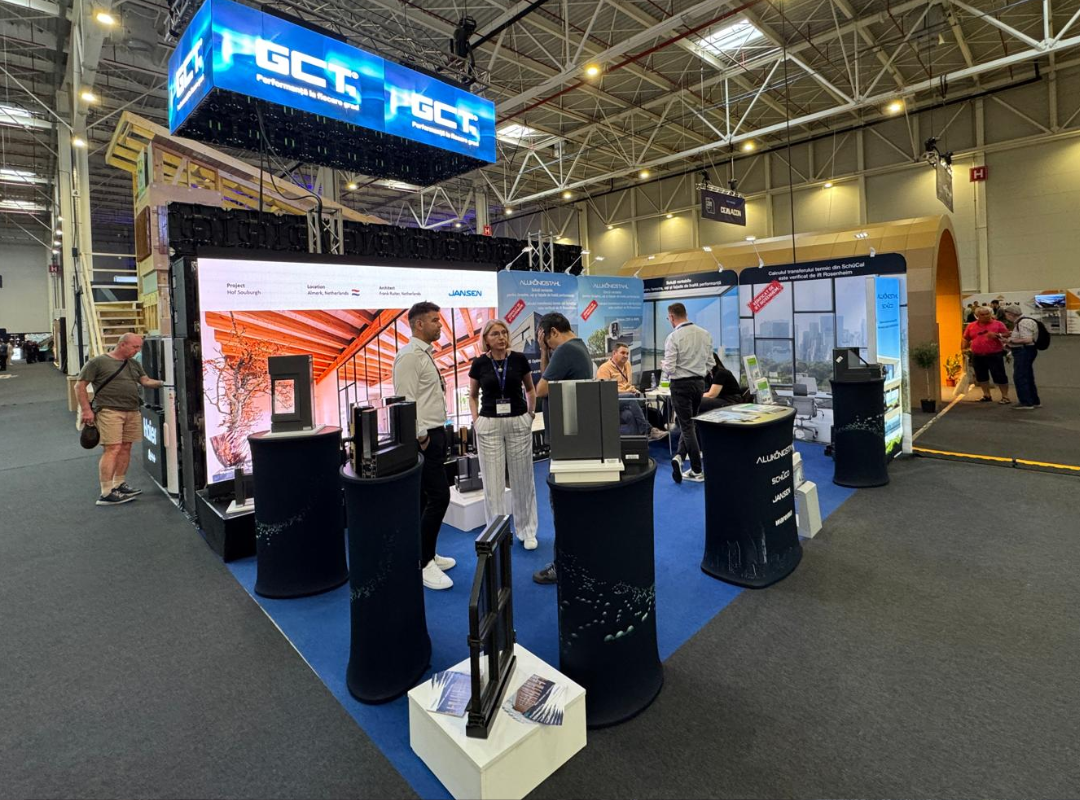
At a trade show, the first few minutes of a conversation are crucial because, within this short period of time, you can determine whether you are speaking with a genuine potential customer or simply a curious visitor. The way you guide the discussion during this stage has a direct impact on the quality of the leads you generate and the sales results you achieve after the event.
Many sales representatives make the mistake of starting the conversation by introducing their company or products. However, in a fast-paced and crowded trade show environment, this approach consumes valuable time and does little to qualify the person you are speaking with. That is why high-performing companies always begin with simple, clear questions designed to understand the visitor’s needs.
The first type of question you should ask is related to context. You want to quickly understand why the person is attending the trade show and what they are looking for. Simple questions such as “What brought you to this event this year?” or “What type of solutions are you currently looking for?” can immediately give you a general understanding of their intentions and level of interest.
Once you understand the context, it is important to identify the customer’s actual problem. In sales, general interest is not enough. What truly matters is the specific challenge that is motivating them to look for a solution. Questions such as “What challenges are you currently facing in your business?” or “What is not working as well as you would like right now?” help you get to the core of the conversation much faster.
Next, you need to understand how urgent the need is. Not all problems have the same priority, and a question like “How important is it for you to solve this issue within the next few months?” can help you determine whether you are speaking with a highly qualified lead or someone who is simply exploring their options.
Another essential element during the first three minutes is understanding the decision-making process. Even if the person seems interested, they may not be the one making the final decision. Questions such as “Who else is involved in the purchasing decision?” or “How does your company usually evaluate and select solutions like this?” can help you avoid spending too much time on conversations that are unlikely to move forward.
Once you have gathered this information, it is useful to learn about the customer’s previous experiences. In many cases, they have already tried similar solutions. Questions such as “Have you used similar solutions before?” or “What worked well and what did not work in the past?” provide valuable context and help you position your offering more effectively.
Another important aspect is understanding the budget or investment level the prospect is considering. However, this question should be asked naturally and indirectly. For example, “Have you already defined a budget range for this type of project?” is often a better approach because it avoids creating pressure and keeps the conversation comfortable and productive.
During the first three minutes, the goal is not to sell. The goal is to qualify. The difference between a good sales team and an excellent one is often the ability to listen more than they speak, ask the right questions at the right time, and quickly determine whether a conversation is worth pursuing further.
It is also important to pay attention not only to verbal responses but also to body language. In a trade show environment, people are often distracted or in a hurry. Signs of genuine interest can usually be seen in how long they stay engaged, how attentive they are, and how willing they are to continue the conversation after the initial questions.
If you manage to ask the right questions during the first three minutes, the entire conversation becomes much more efficient. Instead of spending time on generic presentations, you move directly into meaningful discussions tailored to the customer’s real needs, significantly increasing your chances of turning that interaction into a qualified lead.
Ultimately, success at a trade show does not depend on how much you talk about your company. It depends on how well you can understand the customer in a very short amount of time. The right questions, asked at the right moment, are one of the most powerful tools you have for transforming a simple conversation into a genuine sales opportunity.
Reviews