



Participating in a trade show is a great opportunity to promote your brand, connect with potential customers, and make a lasting impression. However, success doesn't happen by accident — it requires careful planning and attention to detail. To help you prepare, we’ve put together a complete checklist that covers everything you need before the big day.
1. Define Your Objectives
Before anything else, be clear about your goals for the event. Ask yourself:
-
Are you looking to generate leads?
-
Do you want to launch a new product?
-
Is brand awareness your main focus?
Knowing your objectives will influence every decision you make — from booth design to promotional materials.
2. Plan Your Booth Design
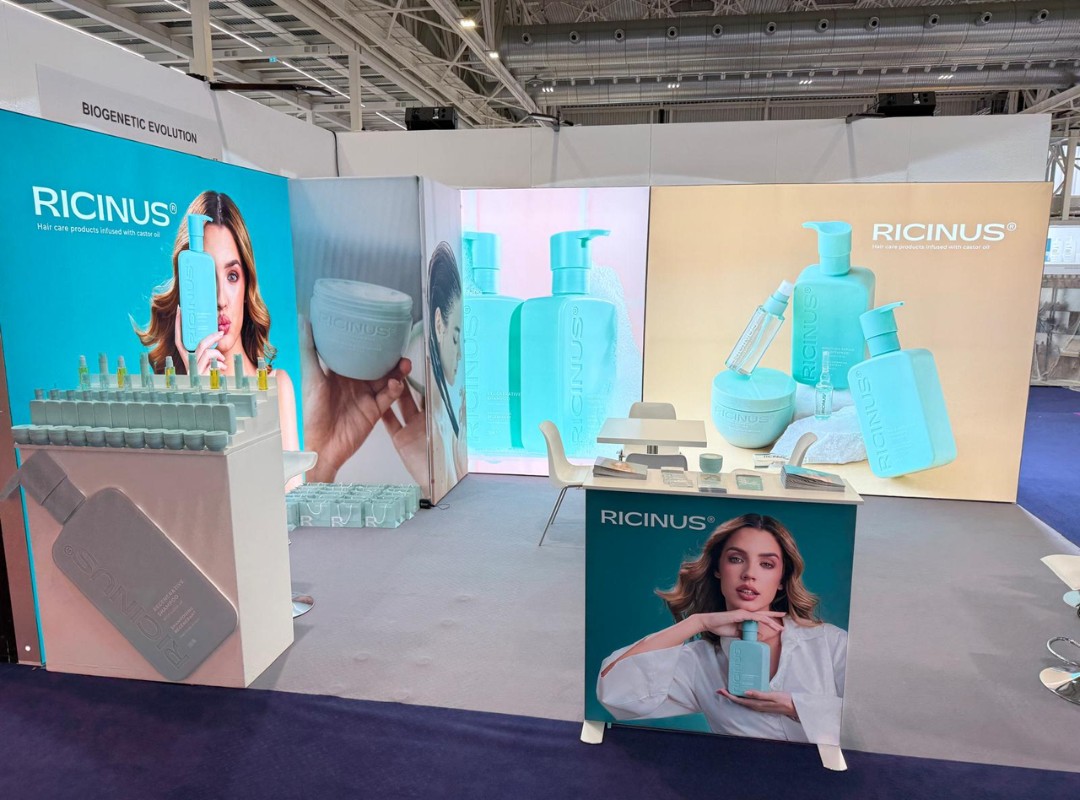
Your booth is the physical representation of your brand. Make sure it’s designed to impress:
-
Choose the right structure: Modular booths, lightboxes, suspended structures, or custom builds depending on your needs.
-
Prioritize brand visibility: Ensure your logo and key messages are highly visible from a distance.
-
Select the right graphics: High-quality, vibrant visuals can make a huge difference.
-
Focus on functionality: Incorporate storage space, product displays, seating areas, and interactive zones.
-
Include lighting: Good lighting can enhance your visuals and create an inviting atmosphere.
Pro Tip: A well-designed booth not only attracts visitors but keeps them engaged.
3. Prepare Marketing Materials
Have all your marketing assets ready well in advance:
-
Business cards
-
Brochures or flyers showcasing your products or services
-
Branded giveaways like pens, tote bags, or tech gadgets
-
Digital presentations or videos for screens
-
Lead capture forms or digital lead retrieval apps
Ensure all materials are aligned with your branding and updated with your latest offerings.
4. Organize Staffing and Training
Your booth staff will be the face of your company during the event, so choose them carefully:
-
Select a dynamic team: Pick people who are knowledgeable, energetic, and great communicators.
-
Provide product training: Make sure everyone knows your key products, services, and selling points.
-
Train on booth etiquette: Teach staff how to greet visitors, engage them in conversation, and collect leads without being pushy.
A friendly, confident team can make or break your booth’s success.
5. Handle Logistics Early
Avoid last-minute stress by organizing logistics ahead of time:
-
Book your booth space early and understand all venue regulations.
-
Arrange shipping for booth materials and products.
-
Check electrical needs: Order outlets, lighting, and internet access if needed.
-
Plan setup and dismantling: Who will install the booth, and how long will it take?
-
Secure travel and accommodation for your team.
Create a detailed timeline and checklist for all logistical tasks to stay on track.
6. Promote Your Presence Before the Event
Start creating buzz before the event opens:
-
Announce your participation on your website and social media.
-
Send invitations to key clients and prospects.
-
Schedule meetings in advance with important contacts.
-
Prepare press kits if you plan to interact with media representatives.
A well-promoted presence can drive more traffic to your booth and create valuable opportunities.
7. Plan for Lead Management
Gathering leads is one of the main reasons for attending a trade show, so set up an efficient system:
-
Create lead capture forms (digital or paper-based).
-
Prepare a quick scoring system to prioritize hot leads.
-
Assign follow-up responsibilities to team members.
-
Plan your post-show email sequences before the event ends.
The faster and more personalized your follow-up, the better your chances of turning leads into customers.
8. Pack an Emergency Kit
Things can go wrong, so it’s smart to prepare an emergency kit that includes:
-
Tape, scissors, zip ties
-
Chargers and power strips
-
First aid supplies
-
Extra business cards and printed materials
-
Cleaning wipes
-
Sewing kit for last-minute fixes
-
Snacks and water for the team
A small emergency kit can save the day when unexpected issues arise.
9. Measure Success After the Event
Once the show is over, don’t just pack up and move on. Take time to evaluate:
-
Review your goals: Did you achieve what you set out to do?
-
Analyze lead quality and quantity.
-
Gather feedback from the team: What worked well? What could be improved?
-
Track ROI: Compare your trade show expenses with the revenue and opportunities generated.
Learning from each experience will make future events even more successful.
In conclusion, preparing for a trade show involves more than just setting up a booth. From defining goals and designing a standout display to training staff and planning your lead management strategy, every step counts. By following this checklist, you'll be ready to create a professional, engaging, and highly effective presence at your next event.
Reviews