



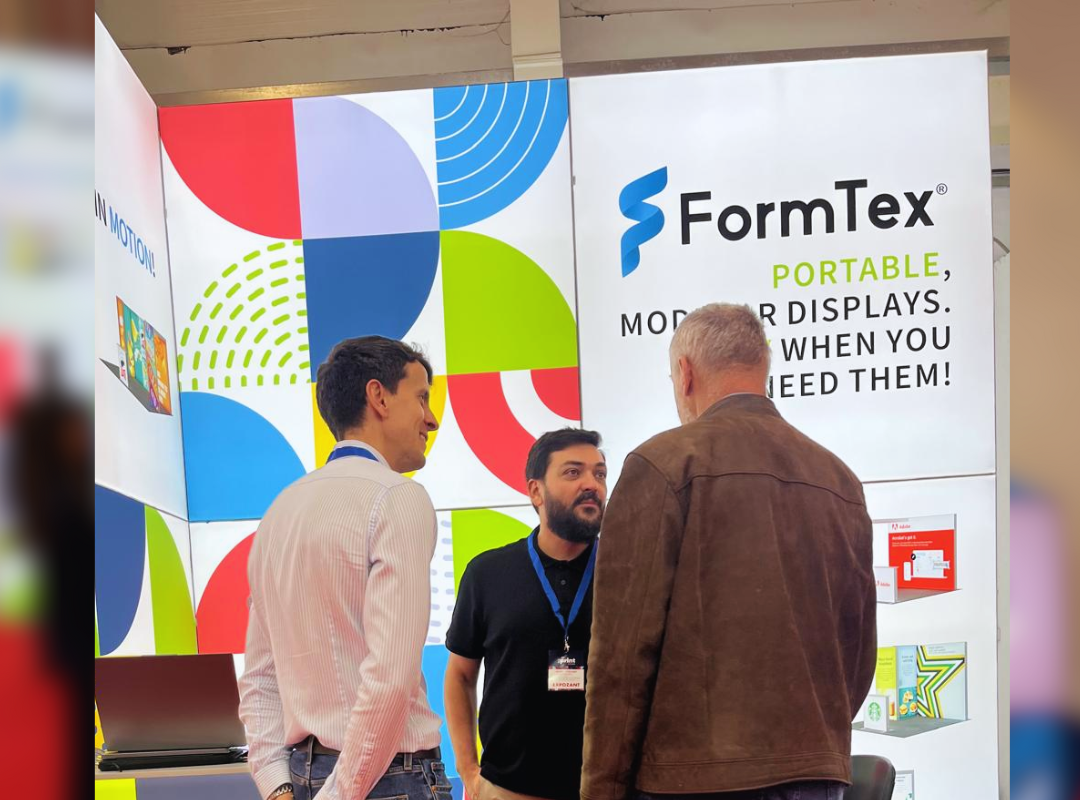
In today’s fast-moving B2B environment, attending trade shows is no longer just about showing up. It’s about turning visibility into real business growth. One of the smartest ways to achieve this is by using modular exhibition systems — flexible, reusable structures that allow brands to create powerful, immersive experiences while maximizing ROI.
When used strategically, modular systems can help companies not only stand out at events but also generate qualified leads and scale their business.
1. Why Modular Exhibition Systems Are a Game-Changer
Traditional exhibition stands often come with limitations: they’re expensive to rebuild, hard to adapt, and don’t evolve with your brand. Modular systems, on the other hand, are built for scalability and impact.
Here’s why they’re different:
-
Flexibility – easily adapt the stand to any space or event.
-
Reusability – the same structure can be used multiple times with different configurations.
-
Cost efficiency – reduced production costs over time.
-
Sustainability – eco-friendly materials and reduced waste.
Instead of a static investment, modular systems give your brand a dynamic tool for long-term growth.
2. Turning a Stand Into a Marketing Asset
A modular exhibition stand is more than a backdrop — it’s a strategic marketing asset. When designed with intent, it can guide visitors through a well-defined experience that communicates your brand’s value and encourages meaningful interactions.
To make your stand work harder for you:
-
Use clear visual storytelling with lightboxes, textile graphics, and modular walls.
-
Integrate brand colors, key messages, and CTAs in a clean, structured way.
-
Create interactive zones — demos, touchscreens, or live product showcases.
-
Make sure every visitor understands who you are and what problem you solve within seconds.
With the right approach, your stand won’t just attract traffic — it will attract the right kind of traffic.
3. Pre-Event Marketing: Visibility Starts Before the Show
One of the biggest mistakes brands make is treating trade shows as isolated events. In reality, your strategy should start weeks before the doors open.
Here’s how to maximize visibility ahead of time:
-
Run targeted social media campaigns announcing your participation.
-
Use email marketing to invite existing leads and partners to meet your team at the stand.
-
Add QR codes or booking links for scheduling on-site meetings.
-
Collaborate with event organizers to get featured in official communications.
By the time the event starts, visitors should already know who you are and why they should stop by your stand.
4. Lead Generation Through Smart Stand Design
Once people arrive at your stand, design plays a critical role in capturing and qualifying leads.
Practical tactics include:
-
Placing clear CTAs and lead capture points at eye level.
-
Using modular layouts to create dedicated areas for demos, conversations, and presentations.
-
Offering quick digital lead capture through tablets or QR codes.
-
Encouraging visitors to engage with something memorable — whether it’s an interactive installation, a short presentation, or a branded experience.
Modular systems make it easy to reconfigure spaces to match different event audiences, ensuring your stand always works at maximum efficiency.
5. Post-Event Strategy: Where the Real Conversion Happens
A great trade show strategy doesn’t end when the stand comes down. Follow-up is where visibility turns into qualified leads and revenue.
To make the most of your investment:
-
Segment leads collected at the event based on interest and potential.
-
Send personalized follow-up messages within 48 hours.
-
Nurture leads with relevant content, case studies, and offers.
-
Track conversions and evaluate ROI to optimize for the next event.
Modular systems allow you to participate in multiple shows efficiently — giving you more opportunities to build a steady pipeline of qualified leads.
6. Data and Technology: Amplifying the Impact
To truly scale your business, combine modular design with smart technology.
-
Use analytics to track visitor interactions and traffic flow.
-
Install sensors or digital counters to monitor engagement.
-
Sync your lead capture tools directly with your CRM.
-
Gather feedback after the event to refine your messaging and booth design.
This data-driven approach turns each exhibition into a strategic learning opportunity, not just a marketing activity.
7. Partnering with the Right Experts
Even the best strategy needs the right execution. Working with an experienced exhibition partner can make the difference between a nice-looking booth and a high-performing marketing tool.
The right partner can help you:
-
Design a stand tailored to your goals.
-
Optimize modular systems for multiple event formats.
-
Integrate technology and visuals effectively.
-
Ensure smooth logistics, installation, and reuse.
With the right support, your exhibition presence becomes a powerful engine for growth.
Modular exhibition systems are far more than just structures — they’re strategic tools that help brands scale. By combining flexible design, integrated marketing, and data-driven lead generation, businesses can transform trade shows into high-performance growth channels.
When your stand is designed to attract, engage, and convert, visibility is no longer just a metric. It becomes a reliable source of qualified leads and long-term business success.
Reviews