







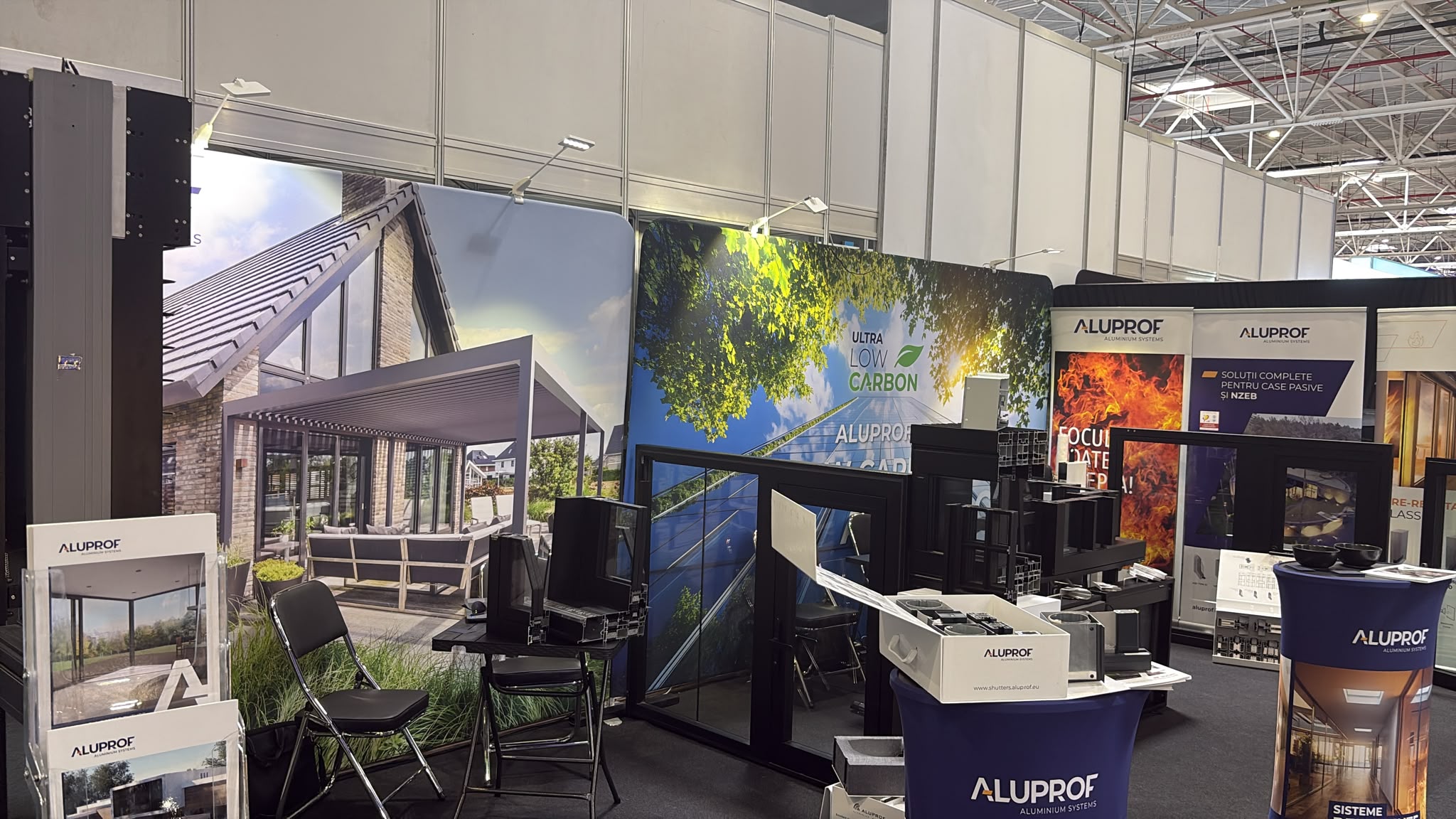
An effective exhibition stand does more than display your company logo. It attracts attention, communicates what your business offers, and gives visitors a reason to stop, ask questions, and start a conversation. The most successful exhibition stands combine clear messaging, strong visual design, good lighting, and a layout that makes visitors feel welcome.
Whether you are preparing for your first trade show or looking to improve your existing display, choosing the right elements can help you make better use of your exhibition space and create a more memorable brand experience.
Here are seven essential elements to consider when designing an exhibition stand that attracts potential customers.
1. A Clear and Eye-Catching Brand Message
Visitors often walk past dozens of exhibitors in a short time. Your stand needs to communicate who you are and what you offer within a few seconds.
Start with a clear brand identity, including your company name, logo, and a concise message that explains your main product, service, or benefit. Avoid filling every available surface with text. Too much information can make your stand difficult to understand from a distance.
Instead, focus on one main message and support it with a small amount of relevant information.
For example, rather than listing every service your company provides, highlight the main problem you solve for customers. This makes your message easier to recognise and gives visitors a clear reason to approach your team.
2. A Professional and Consistent Visual Design
The appearance of your exhibition stand influences how visitors perceive your business. A well-organised design can communicate professionalism, build brand recognition, and make your company easier to remember after the event.
Use your brand colours, typography, imagery, and graphic elements consistently. High-quality printed graphics are particularly important because they cover large areas of the stand and often serve as the first point of visual contact.
Choose images that are relevant to your products or services, and make sure that text remains readable from the typical viewing distance.
A professional exhibition stand does not necessarily need to be complicated. A simple, well-balanced design can be more effective than one crowded with decorative elements.
3. Strategic Lighting That Highlights Your Brand
Lighting can make a significant difference to the appearance of an exhibition stand. It helps draw attention to important messages, highlights products, and makes the display more visible in a busy exhibition hall.
LED spotlights can illuminate specific areas, such as product displays, graphic panels, or meeting spaces. Illuminated display elements can also help your brand stand out, especially when surrounding stands use similar colours and layouts.
The right lighting depends on your design and the atmosphere you want to create. A product-focused stand may benefit from targeted lighting, while a display built around large printed graphics may use integrated illumination to make the visuals more prominent.
When planning your exhibition stand, consider lighting as part of the overall design rather than an accessory added at the last minute.
4. A Layout That Makes It Easy to Approach Your Stand
Even an attractive stand can lose potential customers if visitors find it difficult to enter or understand how to interact with the display.
A good exhibition stand layout should provide clear access, enough room to move comfortably, and an intuitive way to explore your products or services.
Avoid blocking the entrance with large furniture or placing too many display elements in a small space. If your goal is to encourage conversations, include a suitable area where visitors can speak with your team without obstructing other guests.
For smaller exhibition spaces, a modular stand can help you organise the available area efficiently. The key is to balance product presentation, branding, and interaction without making the stand feel overcrowded.
5. Product Displays That Encourage Interaction
Visitors are more likely to engage when they can see how a product works or understand its benefits in a practical way.
Depending on your business, this could mean displaying physical products, offering demonstrations, showing a short video, or presenting examples of completed projects.
If you sell complex products or services, use simple visual explanations to make the benefits easier to understand. A screen, demonstration area, or carefully selected product sample can help turn a passing visitor into a meaningful conversation.
Every display element should have a purpose. Rather than showing everything your company offers, choose the products or examples that best represent your business and are most relevant to the audience attending the event.
6. A Welcoming Space for Conversations
Attracting visitors is only the first step. Your stand should also make it easy for them to interact with your team.
Friendly staff, accessible product information, and a comfortable space for discussion can all contribute to a positive experience. Depending on your objectives and available space, you may want to include a small counter, stools, or a dedicated meeting area.
Make sure your team is easy to identify and ready to answer questions. A visually impressive stand can attract attention, but meaningful conversations help you understand visitors' needs and identify potential business opportunities.
The layout should support these interactions without creating barriers between your team and the people visiting the stand.
7. Flexible Elements That Can Be Reused at Future Events
If your company participates in several trade shows each year, it is worth considering how easily your exhibition stand can be adapted and reused.
Modular exhibition stands can be a practical solution because their components can often be reconfigured for different spaces. Depending on the system, you may also be able to update the printed graphics without replacing the entire structure.
This flexibility allows you to refresh your presentation for a new product launch, a seasonal campaign, or an event aimed at a different audience.
When choosing a stand, consider its visual impact as well as its portability, assembly process, storage requirements, and potential for future modifications. A reusable system can help you maintain a consistent brand presence across multiple events.
How Do You Choose the Right Exhibition Stand for Your Business?
The right exhibition stand depends on your goals, budget, available space, and the type of visitors you want to reach.
Before selecting a design, ask yourself a few important questions:
-
What is the main goal of the exhibition: brand awareness, lead generation, product demonstrations, or direct sales?
-
How much space will be available at the venue?
-
Which products or services deserve the most attention?
-
Will visitors need space for demonstrations or private conversations?
-
Will the stand be used at multiple events?
-
What budget is available for the structure, graphics, lighting, furniture, and logistics?
Answering these questions will help you focus on the features that matter most instead of investing in elements that do not support your objectives.
For smaller spaces, a compact modular exhibition stand can provide a clear brand presentation without overcrowding the area. For larger spaces, additional product displays, illuminated graphics, and meeting areas may help create a more engaging experience.
Common Exhibition Stand Design Mistakes to Avoid
Even a well-funded exhibition stand can be less effective if the design does not consider the visitor's experience.
Here are some common mistakes to avoid:
-
Too much text: Visitors should be able to understand your main message quickly.
-
Poor lighting: Important products and graphics may go unnoticed if the stand is not properly illuminated.
-
A cluttered layout: Too many displays or furniture items can make the space difficult to navigate.
-
Unclear branding: Your company name and main message should be easy to identify.
-
No clear call to action: Give visitors a reason to engage, whether that means asking a question, requesting a demonstration, or discussing a project.
-
Ignoring future use: If you attend multiple events, consider whether the stand can be reused or adapted to different exhibition spaces.
Avoiding these mistakes can help you create a stand that looks professional and supports your business goals.
Frequently Asked Questions
What is the most important element of an exhibition stand?
A clear brand message is one of the most important elements. Visitors should quickly understand who your company is, what you offer, and why they might be interested. Strong visuals, suitable lighting, and a practical layout help reinforce that message.
How can I make a small exhibition stand more attractive?
Focus on a clear message, consistent branding, high-quality graphics, and effective lighting. Keep the layout open and avoid unnecessary furniture or decorative elements. A well-designed modular stand can help you use a limited space efficiently.
Does LED lighting help attract visitors to an exhibition stand?
LED lighting can improve visibility and draw attention to specific products, graphics, or display areas. Its effectiveness depends on the overall design, the lighting conditions at the venue, and how strategically the lights are positioned.
Are modular exhibition stands suitable for multiple trade shows?
Many modular systems are designed for repeated use and can be adapted to different exhibition spaces. Depending on the system, you may be able to reuse the structure and replace or update the graphics for future events.
How much should I spend on an exhibition stand?
The cost depends on the stand's dimensions, structure, graphics, lighting, furniture, and installation requirements. Define your goals and budget before choosing a solution, and compare offers based on the components and services included rather than the initial price alone.
Final Thoughts: Build an Exhibition Stand That Turns Attention into Opportunity
An exhibition stand that attracts customers combines clear communication, professional design, effective lighting, a practical layout, and opportunities for meaningful interaction. Every element should support the same goal: helping visitors understand your brand and giving them a reason to engage with your business.
You do not need the largest or most complicated stand to make a strong impression. You need a design that reflects your brand, presents your offer clearly, and makes good use of the available space.
If you are planning your next trade show, explore the range of exhibition stands from Formtex to find a solution that fits your space, branding requirements, and exhibition goals.
Reviews